Home, Thoughts, Theories and Theatrics Blog

10 Ways to Resolve Conflict in the Workplace without Messing Up Your Mental Health

It’s entirely possible to resolve conflict at work in a healthy, productive, manner.

Photo: Polina Tankilevitch – Pexels

As much as we would love to avoid conflict in the workplace, it is inevitable. A disagreement with a colleague or manager can leave you scouring LinkedIn in search of your next career opportunity. Whether it’s a miscommunication, a personality clash, or a disagreement over responsibilities, we are all human and conflicts are bound to arise at some point.

Conflict is not always a bad thing. It can lead to growth, innovation, and stronger team dynamics, depending on how it is handled. Poorly managed conflict can easily become toxic, draining, and might damage your mental health. If you are consistently in the midst of office tension or drama, the impact extends far beyond the workplace. It can follow you home, disturbing your peace long after you have clocked out. That’s when conditions like anxiety, depression, and burnout rear their ugly heads.

Most people don’t know how to address conflict at work while also protecting their mental health. They either suppress their feelings to keep the peace, which leads to resentment and burnout, or they try desperately to fix things by being overly assertive or overextending themselves. Neither one will result in the desired outcome. There is a way to be assertive, respectful, and focused on solutions without sacrificing your sanity.

Here are 10 ways to resolve conflict in the workplace without messing up your mental health

1. Pause before you react

When emotions run high, your nervous system will go into fight-flight-freeze-or-fawn mode. It’s a stress reaction intended to help you survive unforeseen circumstances but is not the best time to fire off an email or confront a colleague. Before you react, give yourself space to process what just happened. Step outside and take a deep breath.

A good technique to help you get into a cool, calm, and collected mind state is to write down what you are feeling before you say it out loud. By pausing, you allow yourself time to respond in a thoughtful manner instead of impulsively. This not only protects your peace but increases the chances of a productive outcome.

2. Set boundaries early on

Many times, conflict comes as a result of unspoken expectations. While something might be a no-brainer for one person, it could be far-fetched for another. It’s important that limits and expectations be communicated before problems arise. Preferences such as how late you are willing to respond to messages, how you prefer to give and receive feedback, and even how you like to be spoken to should be laid out early so there is no confusion and less possibility of conflict.

By clearly setting boundaries early and enforcing them, you lay the foundation for clarity and respect in your professional relationships. This protects your emotional well-being as well as the well-being of the people you engage with in the workplace. Remember that boundaries are not walls you put up to keep others out. They are guideposts that tell others how you expect to be treated.

Photo: Anh Nguyen – Pexels

3. Use “I” statements instead of blaming

It’s easy to assign blame when you are upset or feel wronged. Blanket statements like, “You never…” or “You always…” automatically put the accused on the defensive, making it highly unlikely that there will be a mutually agreed upon resolution. Instead of firing off accusations, true or not, using “I” statements invites a more constructive conversation. They avoid blame and finger pointing, making everyone more receptive to talking it out.

“I feel unheard when I speak up in meetings and don’t get a response,” feels much better to the receiver than, “You always ignore me in meetings.” By talking about how the situation impacts you, you foster empathy and keep the discussion focused on behavior instead of a person’s character. It’s a good way to share your truth without making another person feel attacked.

4. Stick to facts, not feelings

Your feelings are valid. However, in a professional setting, sticking to the observable facts is necessary to keep things on track. Saying, “You made me feel invisible,” is a lot less effective than saying, “I spoke up but wasn’t acknowledged.” By using the “I” statement and focusing on facts, the person you are addressing will be less defensive.

This shift makes it easier for others to engage with your concerns without dismissing them or labeling them “emotional overreactions”. It benefits you by keeping you grounded in reality, so you don’t get swept up in assumptions or allow your thoughts to spiral.

5. Know when to walk away (temporarily)

Not every problem can be resolved and tied up with a neat bow right away. Conversations get heated and you may feel overwhelmed, and that’s okay. The best course of action is to take a break and revisit later. But it should be done in a particular way. Storming off is not how you de-escalate a situation. Instead say something like, “Let’s take a break and revisit this later.”

Photo: Ono Kosuki – Pexels

Temporarily walking away from conflict does not mean that you have given up. It simply means that you are giving both sides an opportunity to step away and return to the conversation when cooler heads prevail. Protecting your mental space can sometimes be hitting pause and allowing yourself and others time to reflect before resuming interactions.

6. Don’t personalize everything

If you step into my home office, the first thing you will notice is a framed graphic from The Four Agreements, a book by Don Miguel Ruiz hanging on the wall. One that I regularly put into action is “Don’t take anything personal”, and what better time to remember than in the workplace, surrounded with conflict? It’s easy to take disagreements personally, especially when it feels like your contributions are being undermined and your input is being dismissed.

Often, how a person is treating you has much more to do with them than it does you. Their stress, insecurities, and communication issues could be causing them to lash out or engage in other toxic behaviors. You might just be in the wrong place at the wrong time. Learn to emotionally detach from other people’s projections so you stay balanced and in control of your emotions. Ask yourself, “Is this really about me?”

7. Keep a paper trail

In the world of Human Resources, we often say, “If it’s not in writing, it didn’t happen.” Keeping notes or saving relevant emails in the workplace is not sneaky or conniving. It’s smart. Keeping clear documentation workplace issues gives you a point of reference in case you need to involve HR or leadership.

Having your facts in writing can reduce anxiety because you don’t have to rely on memory or emotion. It’s not conniving, but necessary to make sure you keep conflict to a minimum at work. Keeping a paper trail is a quiet form of self-protection that can empower you to advocate for yourself without the headache of he-say-she-say.

8. Loop in a neutral third-party

Sometimes conflict escalates far beyond what two people can resolve on their own. That’s when you should enlist a third party such as an HR representative, a supervisor, or even a neutral team member to step in. They can take an objective look at the conflict and help to de-escalate the matter when tensions rise.

The neutral party should be someone who is not already aligned with either party to the conflict and will not stir the pot or gossip. They are there because you have hit a wall and need someone to help carry the emotional burden and move things forward. A mediator can help ensure everyone feels heard, keep the conversation respectful, and help to stay on topic.

9. Protect your self-talk

Your internal dialogue can make or break you mentally. How you talk to yourself can either soothe you or sabotage you. A tense interaction can easily cause you to tumble down the rabbit hole of overthinking. “I should have said this” or “They probably think that” are common intrusive thoughts that make a bad situation worse.

Remind yourself that conflict is a normal part of the human experience. It doesn’t dictate your worth. Practice self-compassion and positive self-talk by saying things like, “I handled that in the best way I could have” or “I did the best I could in that moment and will do better next time.” A healthy inner voice is the best defense against mental breakdown in the workplace.

10. Know when to let it go

Not every conflict you will have in the workplace deserves your attention. Sometimes, the best thing to do is to disengage. The outcome, good or bad, is not worth the cost of your emotional wellness and potentially fractured relationships. Letting it go just might be the healthiest and most mature way of resolving the problem.

Once you’ve expressed your needs, tried your best to resolve things respectfully, and found that the issue still exists, but won’t affect your long-term goals, it’s time to drop it and move on. Your mental health should not be sacrificed to fight every little battle. Choose peace over pride whenever possible.

Remember that just because you happen to have conflict in the workplace doesn’t mean that you cannot use it to grow. The willingness to listen, be transparent, show empathy and compassion, and show up with good intent makes the difference between wallowing in misery at work and overcoming obstacles and helping the environment to be better than you found it.

Home

Things that Trigger My Happiness

List 30 things that make you happy.

Happiness is subjective. What makes on person happy might be inconsequential to another. But here is my list of 30 things that make me happy:

1. My kids

2. My extended family

3. Good friends

4. Being loved

5. Giving love

6. Knowing my “why”

7. Peace

8. Self-care

9. Being authentic

10. Speaking my mind

11. Connecting with new people

12. Being present

13. Security

14. Financial stability

15. Appreciation

16. Leaving people and things better than I found them

17. Reaching my goals

18. Understanding myself

19. Knowing my worth

20. Saying “no”

21. Walking away from things that don’t serve me

22. Continuous growth

23. Learning

24. Doing work I love

25. Traveling

26. Eating right

27. Exercising

28. Emotional wellness

29. Spontaneity

30. Writing, of course

#author #writer #blogger #studentoflife

Home

Knowing Your Human Design is the Key to Living Your Best Life Possible

Photo: BADzX-5I86g – Canva

In recent months, I have noticed an uptick in social media videos about Human Design. People are showing an elevated interested in better understanding themselves and each other and are willing to learn new ways of becoming more self-aware.

This renewed intrigue reminded me of an article I wrote about this topic. The information I discovered was pivotal in my journey of self-discovery, so I wanted to share it in hopes that it can be helpful to you, too.

RELATED: Perfectly Imperfect: 6 Signs You Have Toxic Perfectionism & 5 Ways To Let It Go

When it comes to human beings, there are many possibilities for the type of person each individual can turn out to be. Personalities and perspectives are unique, and each person has their own special way of moving through life.

There is one groundbreaking way to help you understand your genetic nature and where energy flows within your body. It’s called Human Design.

What is Human Design?

Human Design was created about 35 years ago by a Canadian man named Ra Uru Hu.

Its teachings are based on elements of various ancient systems like Western astrology, quantum physics, chakra systems, Kabbalah, and I Ching.

It is based around neutrinos, particles with a mass equivalent to zero, enabling them to be fast-moving. They are the foundation of the Human Design System, dictating how energy moves through us and influences our interactions.

RELATED: 20 Positive Affirmations For Being Happy In Difficult Times

Like mapping your astrology birth chart, the human design chart is calculated with your birthday, birth time, and place of birth.

Those details are used to create a snapshot of the cosmos at the very moment you entered the world, as well as three months prior to your birth when your brain was still developing in your mother’s womb.

These two snapshots are layers together to give you an energetic blueprint. From there, you can develop a mindset that fits your energy type.

In human design, there are 9 centers represented by geometric shapes in a BodyGraph. These hubs, like chakras, receive and transform energy that circulates throughout our bodies.

Those 9 centers are:

  • the head (pressure, inspiration)
  • Ajna (awareness, conceptualization)
  • throat (manifesting, speaking, doing)
  • “G” (self, love, direction)
  • heart (motor skills, ego, willpower)
  • spleen (immunity, intuition, awareness)
  • solar plexus (emotions)
  • root (adrenaline, stress)
  • and sacral (life force, sexuality)

How To Determine Your Human Design Type

To get your human design type, go to the calculator at the Jovian Archive or use the one at My Human Design. As explained earlier, you will need your birth date, exact time of birth, and location of birth to calculate your chart.

Once calculated, you will find many elements in addition to your Human Design type.

Your “strategy” is the way your energy connects with the flow of life. If you align with it, you will attract opportunities and environments that help you to be who you truly are and fulfill you life’s purpose.

The “not-self theme” gives insight into the way you feel when you are not honoring your true design and trying to be something you are not.

The “inner authority” tells you how you make major life decisions that are right for you. It tells you how you empower yourself to take authority over your own life.

Your “profile” consists of two numbers called lines. The first is something you are conscious of, while the second is something you are likely unconscious of. There are 12 profiles:

RELATED: Protecting Your Peace: Setting Healthy Boundaries and Building Quality Relationships

  1. 1.3: Investigator/Martyr
  2. 1/4: Investigator/Opportunist
  3. 2/4: Hermit/Opportunist
  4. 2/5: Hermit/Heretic
  5. 3/5: Martyr/Heretic
  6. 3/6: Martyr/Role Model
  7. 4/6: Opportunist/Role Model
  8. 4/1: Opportunist/Investigator
  9. 5/1: Heretic/Investigator
  10. 5/2: Heretic/Hermit
  11. 6/2: Role Model/Hermit
  12. 6/3: Role Model/Martyr

The “definition” is the way our defined human design centers interact with each other. Yours can be set up in one of five ways:

  1. No definition: This has no defined centers and is specific to the Reflector human design type.
  2. Single definition: This means that all of your defined centers and channels are interconnected and flow together like a continuous circuit.
  3. Split definition: Also known as a simple split, this indicates two separate unconnected circuits with defined centers.
  4. Triple-split definition: This is three separate circuits that are not connected but have defined centers.
  5. Quadruple-split definition: This is four separate circuits that are not connected but have defined centers.

Finally, the “incarnation cross” is what defines your ultimate reason for being here. It uses positions of the Sun and Earth at our time of birth to define our life’s purpose. There are 192 possibilities.

Originally published on YourTango.com… read the rest of the article here.

Home

I Woke Up

What notable things happened today?

Today, I opened my eyes and found myself in my comfy bed. I had a roof over my head, food in my kitchen, a car in my garage, and clothing in my closet. I had air in my lungs and good overall health. My kids are happy and healthy and our future are bright.

Being blessed with the gift of life… another chance to do what I might have done and be what I might have been is the most notable thing that’s happened to me (and you) today. I am grateful.

Home

Feel the fear and do it anyway.

If humans had taglines, what would yours be?

My life has been all about overcoming insurmountable odds. Everything that was meant to destroy me has empowered me and built resilience.

I’ve learned how to have difficult conversations, take calculated risks, and find the silver lining in every situation I face. No matter how fearful I am, I always find a way to be brave and push through courageously.

My tagline would be “feel the fear and do it anyway”.

Home

Being me

What are you good at?

The thing that I am most gifted at is being exactly who I am. My healing journey taught me that being my authentic self is my superpower. People that genuinely like me and care about me gravitate toward me. Those that don’t value who I am will exit stage left as they should.

Using your God-given talent of being who you were meant to be is a great way to understand that some things are intended for you while others are absolutely not meant to be yours. What’s for me is for me and I am OK with that 💗. 

Home

Fenty Beauty

What are your favorite brands and why?

One of my favorite brands is Fenty beauty. It’s not just the fact that they have great products that I absolutely love, but also the founder’s values and ethics.

Rhianna gives back to her communities, both here and abroad. She stands up for various causes that speak to me and tries to do the right thing whenever possible.

She’s relatable and human and seems like the type of person that would stop and talk to a stranger on the street. I just look at products. I need to know who is behind the product.

Home

I Follow My Intuition

What gives you direction in life?

There was a time in life where I ignored that little voice in my head or that gut feeling that I was headed in the wrong direction. It always led to unfavorable outcomes.

Nowadays, my first point of reference when looking for direction in life is my own intuition. I have learned to trust myself fully and do what feels right for me. Of course, I do my best to analyze, and make the most educated decisions possible, but if it doesn’t sit well in my spirit, it’s not happening. 

Home

What goes around comes around.

Do you have a quote you live your life by or think of often?

I always remember that whatever I put out into the world always comes back, so I try my best to be good to people and do good in every space I enter.

I’m such a strong believer that I named the 3-part series, ‘Retribution’, that I wrote as follows:

1. What Goes Around…

2. … Comes Around

3. Full Circle

Do the right thing, even when no one else is looking.

Home

Positive & Progressive

What topics do you like to discuss?

The topics that I like to discuss depend on who I’m talking to. Anything that brings value, uplifts, inspires, and/or builds positive momentum is on the table.

I like to leave anyone listening to me better than I found them. Whether it is a kind word, information that they really need, or just confirmation that they are on the right track, positive interactions just make me feel good.

Home, Thoughts, Theories and Theatrics Blog

I chose purpose over money.

Describe a risk you took that you do not regret.

In 2022, I decided to leave my high six-figure job in order to pursue writing full-time. I took an entry-level writing job for a fraction of what I was making in my human resources career. I was so afraid that I had made the wrong choice.

But, within a couple of months, I became the top writer at the digital publishing company. I was promoted to an editor, and wrote over 800 articles.

But the biggest reward for the risk I took, was the impact I had on readers. I learned the words really do have power, and that I can influence through my writing. That made it all worth it. And the opportunity that work generated has been infinite. Sometimes, money isn’t everything.

Home

Picked the wrong option.

Write about a time when you didn’t take action but wish you had. What would you do differently?

Back in 2014 I was separated from my husband and had an opportunity to get divorced and move on with my life. I allowed him to gaslight his way back into the relationship and 10 years later, I am finally divorcing him. Had I let him go back then, I could’ve saved myself years of wasted time and heartache. But better late than never, I guess. Sometimes things don’t happen in our own timing, but they do happen exactly as they should. So do I really regret it? No. There were many lessons and blessings in the last 10 years. I’m looking forward to what the future holds!

Home, Thoughts, Theories and Theatrics Blog

A High School Epiphany

Describe something you learned in high school.

My biggest high school lesson was that everyone who is friendly is not your friend. I learned to tell the difference between people who were there for a season and those who were meant to be around for a lifetime.

Unfortunately, I forgot that lesson as an adult and put some seasonal folks into permanent positions. Nowadays, discernment and intuition are at an all-time high.

#LifeLessons #GrowingPains #Discernment #Intuition #StandingOnBusiness

Home

Today, I Made My Own Black History!

Today is a super special day for me! I have self-published books for years but today, I became a traditionally published author!

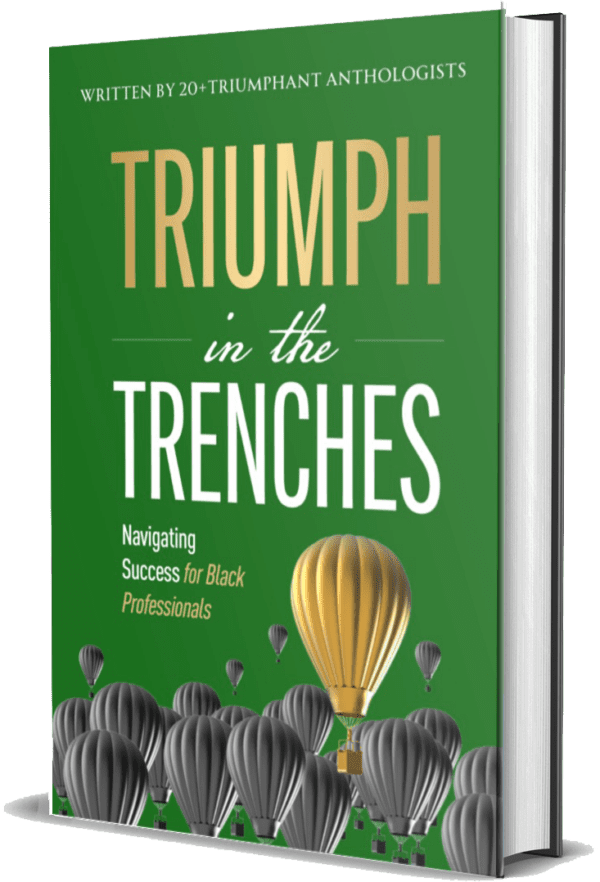
After years of advocating for and uplifting women and underrepresented people in the workplace, I was selected to contribute to “Triumph in the Trenches” a few months back.

My chapter “Advocating from Within”, alongside those of 20+ esteemed Black professionals, shares my story of overcoming adversity at work. We share life lessons you can apply to your own circumstances and advice on how to navigate the worst situations.

My dream is to become a New York Times Bestseller and YOU can help make it come true by grabbing a copy today! Thank you to everyone who supports me and believes in me.

Order your copy here: https://atomic-temporary-67033696.wpcomstaging.com/triumph-in-the-trenches/

Home

Your Year-End Resumé Refresh: 8 Tips For Putting Your Best Foot Forward In 2024

Photo: Christina Morillo – Pexels

If you are like most people, you don’t really think about what’s on your resumé until it is time to look for a new job. You scramble to add your most recent experience and insert some duties and responsibilities. It reads like every other candidate’s resumé, “blah, blah, blah”.

If you truly want to stand out from other applicants and show your value to potential employers, it’s important to add your achievements and experiences while they are still fresh in your mind and relevant to your career goals. That means taking the time to stop and refresh your resume regularly so you don’t have to reinvent the wheel every time.

And what better time to make those updates than the end of the year? As you take inventory of what went right or wrong, your wins and losses, you can translate those experiences into words that tell your personal story of growth, perseverance, and resilience. 

Photo: Andrea Piacquadio – Pexels

Here are 8 of the best practices for updating your resumé:

1. Choose the right accomplishments to add
Knowing exactly what your career goals are is important for deciding what skills and achievements are relevant.  Identify those that are most relevant to the position you plan on getting or retaining in the near future.

Then, reflect on 2023 and come up with examples of work, education, or personal projects that demonstrate those skills and experiences.

2. Use the PAR or the STAR method
PAR stands for Problem, Action, and Result. Similarly, the STAR acronym represents Situation, Task, Action, and Result. This is an easy-to-understand and logical way to structure your accomplishments, highlighting the impact of your work.

For every accomplishment listed, describe the problem or challenge you faced, what you did to resolve it, and the result or outcome. This method of demonstrating your capabilities directly correlates your actions with intended results.

3. Quantify your results
Ideally, the results of the work you did should be measurable. Whenever possible, you should use numbers, percentages, or other metrics to show the magnitude and significance of your achievements.

For example, instead of saying “increased sales,” say “increased sales by 25% in six months”. Framing your accomplishment in this way also demonstrates that you know how to set and meet SMART goals: Specific, Measurable, Achievable, Relevant, and Time-Bound.

4. Use action verbs
Use strong action verbs that describe what you did when sharing your accomplishments. For example, use verbs like “led”, “created”, “launched”, “developed”, “improved”, “implemented”, or “achieved”.

An example that demonstrates this is, “Designed and developed a chatbot that improved customer satisfaction by 35% and reduced response time by 50%. Used Python, TensorFlow, and Azure Cognitive Services to implement the chatbot functionality and user interface.”

Avoid passive or vague verbs like “was responsible for,” “assisted with,” “participated in,” or “helped.” These seem to indicate that you just happened to be part of something rather than showing intention, leadership, or autonomy.

Video: Mika Thompson – YouTube

5. Tailor your resumé to each job
All resumés are not created equal. What works for one position will get you overlooked for another. You need a relevant resumé for every role you intend to apply for.

Customize each one to match the specific requirements and expectations. Highlight the accomplishments that are most relevant and impressive for each position.

6. Education matters
If you have gotten new degrees or certifications in 2023, it’s important to include them in your resumé. This includes any internships or milestones you’ve completed and the work you’ve done as part of that assignment.

You might say, “Recent graduate with a Bachelor of Science in Computer Science and 3+ years of internship experience”. In describing your achievements, you could write, “Developed and launched a web app that reached over 10,000 users and won the Best Student Project Award at the 2023 Tech Expo”.

Another example is to add, “Bachelor of Science in Computer Science, University of Washington, 2023”. You could add, “Graduated with honors and a 3.8 GPA” or “Completed a capstone project on machine learning that was published in the Journal of Artificial Intelligence Research”.

7. Consider any new skills you’ve acquired
On-the-job learning and knowledge you pick up on your own time is important information to add. Any new technological skills should be included in your updated resumé.

You may have become proficient in Python, HTML, CSS, JavaScript, or SQL over the past year. Or you may have become certified in Scrum and Agile methodologies. If your new skills are relevant to the role, add them to your documented experience proudly.

8. Don’t be afraid to brag a little
Think of your resumé as a personal commercial that sells your skills, experience, and knowledge to prospective employers. Any accolades or awards you have received this year are great to include, as they demonstrate your commitment to excellence.

Some straightforward examples of how to do this are “Best Student Project Award, Tech Expo, 2023”, “Dean’s List, University of Washington, 2021-2023”, or “Microsoft Imagine Cup Finalist, 2022”.

You are your own best advocate when it comes to your career.
Remember that no one knows you better than you. The person most qualified to tout your achievements and experiences is that person who was there every step of the way… you!

Updating your resumé regularly is vital to keeping track of what you’ve done professionally. If you stay ready, you don’t have to get ready. Wishing you an abundant 2024!

This article was originally posted on The Professional Women of Color Network’s blog.

Home, Thoughts, Theories and Theatrics Blog

Perfectly Imperfect: 6 Signs You Have Toxic Perfectionism & 5 Ways To Let It Go

Photo: Anna Shvets – Pexels

When I became a teen mom, I was judged by everyone around me. People thought my life had been ruined by my own actions. Others guessed that I was headed down a long road filled with disappointments and dead ends. That’s where my perfectionism anxiety first started.

RELATED: 9 Steps To Start A New Career With No Experience No Matter How Old You Are

Professor and Writer Brené Brown once said, “When perfectionism is driving, shame is always riding shotgun, and fear is the annoying backseat driver.” People who strive to be perfect in everything they do usually come from a place of shame, overcompensating for something that made them feel ‘less than’.

They fear that stigma will stay with them forever and do everything in their power to mute it by accomplishing more and being everything to everyone. That fear of failure links perfectionism and anxiety together in your subconscious mind.

Video: YouTube – The Perfectionist Trap

Here are 6 signs that you are a perfectionist:

The anxious perfectionist believes that if they show they are perfect in every way, whether it be looks, work, personal relationships, or in what material possessions they have, they never have to deal with shame and criticism. Brown refers to it as the “20-ton shield”, meaning that it will protect you against the unwanted blame, hurt, and ridicule, but is also a heavy burden to carry.

Perfectionism is based on external validation. You want to do your best because you are overly concerned about what people will think. The perfectionism isn’t based on who you authentically want to be as a person, but more on how you want to be seen by the outside world.

Now that we know the ‘why’, let’s talk about some signals that might let you know that you have obsessive compulsive perfectionism.

RELATED: 12 Signs You Know How To ‘Keep It Real’ & People Trust You

1. You have perfectionism procrastination.

Perfectionism and procrastination seem as if they shouldn’t be in the same sentence. But because you have the need to get it right, your perfectionist behavior can show up as ‘analysis paralysis’, a state where you overthink every minute detail. This can lead to falling behind or being so scared to fail that you avoid the task altogether.

2. You desperately need approval.

Obsessive perfectionism makes you prioritize validation and approval from others. You don’t get the same feeling of accomplishment when you know you’ve done something well as you do when someone else compliments your achievements.

3. You either win or lose. There is no gray area.

People afflicted with compulsive perfectionism have an “all or nothing” mentality. Think of the famous quote from Ricky Bobby in Talladega Nights, “If you’re not first, you’re last.” Perfectionists equate success with being number one. Anything less is unacceptable.

4. You judge others too harshly.

The tendency to point out the lack of perfection in others can be referred to as ‘moral perfectionism’. You believe that your way is the right way and that if you tear other people down, it will place you on some sort of moral high ground.

5. You feel guilty.

Every perceived failure, no matter how small or insignificant, brings up feelings of inadequacy within you. You get the feeling you have let other people down and allow those emotions to take away from life’s pleasures.

6. You are super defensive.

Perfectionists struggle with taking constructive criticism about their work. They get defensive when given feedback and can lash out if they are seen as anything less than perfect.

Video: YouTube – Georgia Dow

How does being a perfectionist impact your mental and emotional well-being?

Outside of feeling that you are never enough, perfectionists can suffer from a plethora of mental and emotional issues. According to the University of Michigan’s Counseling & Psychological Services Department, some side effects of perfectionism are:

  • Depression
  • Anxiety
  • Test anxiety
  • Social anxiety
  • Writer’s block
  • Obsessiveness
  • Compulsiveness
  • Suicidal thoughts
  • Loneliness
  • Impatience
  • Frustration
  • Anger

So, perfectionism, though typically framed as a good thing by those who have it, is rooted in insecurity, embarrassment, and a deep-seated need for acceptance from the world around you. It can actually have to opposite intended effect, leaving you unhappy, unhealthy, and keeping success just out of your reach.

Photo: Mizuno K – Pexels

Here are 5 ways to finally let your need to be perfect go:

1. Give yourself some grace.

Everyone makes mistakes and no one is perfect. It’s important that you take your errors in stride and avoid making them bigger than they really are.

2. Have achievable goals.

If your goals are not realistic, the chances of failure are greatly increased and that will only lead to more disappointment and shame. Aim for S.M.A.R.T. goals; Specific, Measurable, Attainable, Relevant, and Time-Bound.

3. Understand your value.

Your self-worth is not about what you do, but who you are. Know that you are enough and that just doing your best is success.

4. Stop procrastinating.

Sometimes, you just have to feel the fear and do it anyway. No amount of pondering will make you 100% certain you will succeed. Be willing to take risks and move the goal post closer so you have a better chance of feeling successful.

5. Find your purpose.

Many people do things for accolades and not because they are passionate about them. Your sense of achievement should come from following your life’s purpose, not from doing meaningless things just for recognition.

If you are really struggling with perfectionism and can’t seem to overcome it on your own, it might be time to talk to a therapist. Removing the box you have painted yourself into and healing old internal wounds and trauma can go a long way in helping you focus more on living a beautiful life and less on worrying about what other people think of you.

RELATED: Before You Quit Your Job, Try This!

Home

9 Steps To Start A New Career With No Experience No Matter How Old You Are

MB Images/Shutterstock

Whether you want to start a new career at 40, start a new career at 50, or just want to know how to do it with no experience, it is totally possible to switch careers and be a huge success.

In 2021, about 53% of workers made a career change or decided to start a new job. More and more people are asking themselves “How do I start a new career?”. The decision to change jobs is not an easy one and it requires much clarity and flexibility.

RELATED: Before You Quit Your Job, Try This!

I have spent the last two decades working my way up the ladder as a professional in human resources while writing on the side. That career has sustained my lifestyle and provided for me, so I am extremely grateful.

But there has always been something missing. I knew I wanted to do something to help people but wasn’t sure I was doing it in a way that made me happy and fulfilled. Deep in my heart, I knew there was something that was perfect for me out there.

Sometimes, the universe sends you a sign and if you pay attention, it can change your life. In 2013, my husband took me on a getaway to Seaside, Oregon, a three-hour drive from our home at the time.

While we were there, for fun, we both got psychic readings. When it was my turn, the woman was adamant that I am a writer and should be writing. She told me that if I started writing, it would make way for everything I wanted in life.

Although skeptical about the psychic’s vision, I was impressed that she knew about my love of writing. Despite my doubts her words resonated with me and I self-published my first book in 2016. Since then, I have published several more and moonlighted as an author, writer, and blogger.

This year, after yet another unfulfilling role with another company that seemed ‘different’ turned out to be the same ‘ol, same ‘ol, I decided to step out on faith and finally give writing full-time a chance. Since then, life has changed dramatically and in the best ways possible, so, I want to share the details of my career transition.

RELATED: Money Matters: Increasing Your Value Without a Traditional Education

Why do people choose to start a new career?

The most important thing to know about starting a new career is that no matter how old you are, it’s never too late to be what you’ve dreamed of being. Change can be scary but there are times when it is absolutely necessary.

You found your purpose or your passion.

Sometimes, it just dawns on you that you have found your calling. You know what excites you and makes you feel passionate and purposeful. This is a clear sign that you need to start a new job, strike out on your own, or figure out how to start a new career.

The money just isn’t worth it.

If you feel overworked and underpaid, it might be time to do something that is worthy of your hard work and time. On the other hand, maybe you are well-compensated, but just can’t get into the work you’re doing. It’s time to put your passion over profits.

You need to be challenged.

Boredom is a telltale sign you are in the wrong field. If you have learned all of the ins and outs of your role and nothing about it lights you up anymore, you need to dig deep and find out what makes you feel challenged and enthusiastic. You have hit the glass ceiling and you can break it or live in your purpose.

You need more autonomy.

Some jobs require step-by-step instructions and have strict time constraints around how and when they get done. If this is not your cup of tea and you are struggling to stay within those boundaries, it could be time for a change. There are many careers that offer more autonomy and control over your schedule.

You need a cultural change.

According to a 2018 jobs report from Career Cast, there are certain fields that are considered the worst to work in, with issues like low pay, toxic work environment, and no work/life balance. If your profession is traumatizing you, find out what brings you peace and joy and figure out how to change it.

You need to gain experience.

There are people who know exactly what it is they want to do with the rest of their lives. The missing piece to the puzzle is gaining experience in their new field of choice. That is a perfect time to make a move and discover new opportunities.

RELATED: The Inclusion Illusion: Black Women Are Opting Out of Corporate America

9 Steps You Need To Take To Start A New Career

Every person’s journey is different, but if you want to know how to start a new career with no experience at any age, some things are a must.

If you’ve asked yourself “What else can I do?” and received your answer, but have no idea where to start, This list of 10 steps you need to take to start a new career should help:

Get clear on what you want to do.

The most pertinent thing about changing careers is to have complete clarity on what you want to do. You should feel it deep inside of your soul. It should be something challenging, but rewarding that you would do, even if you weren’t being paid.

Be honest with yourself about your abilities.

Many things can be learned but before you set out on a learning path, you have to understand where your skills are at currently. Identify your strengths and weaknesses and write them down so you know what to work on.

Understand the financial impact.

If you switch careers or open your own business, there could be drastic financial changes in store. Be prepared with a savings to cover any shortfalls, if necessary. If that is not possible, you must create a budget and a plan for leaving your unrewarding job in pursuit of your life’s work.

Decide how you want to get paid to do what you love.

When we say ‘career change’ it can mean different things. You can be changing professions and employers, or you can start your very own business. There are benefits and challenges to both, so decide if you will work for others or be your own boss.

Learn new things to fill in any knowledge gaps.

What you choose to do next will require a different skill set and knowledge. You already know what you have. Research the skills required and create a learning path to gain any information you need to pursue your passion. Looking at job postings in your desired field can help determine what you are missing.

Start networking.

Now that you’ve taken inventory of your skills and filled the gaps, it’s time to try out your new field. Apply for jobs or send out proposals to prospective clients. Network with people already in the industry and leverage and learn from them whenever possible.

Be humble & open to new experiences.

Working your way toward the top of one field then deciding to go in a different direction can be jarring. You likely won’t get the same salary you had before when starting out. Read the room and set reasonable expectations. If you work hard and are passionate about your work, the money will come.

Stay curious & aware that you don’t know everything.

Doing what you love for a living doesn’t mean you shouldn’t aspire to be the very best at what you do. Know that there is always something new to learn. You can learn from anybody in the world, so be open-minded and accountable when you make a mistake.

Following your passion is still work. Treat it as such.

There will be days you don’t feel like working and times you want to give up. Loving what you do does not exclude you from exhaustion or burnout. Do what you must to be successful but remember that work/life balance and self-care should be first priority every single day.

Benefits of Starting A New Career

Since starting my full-time writing career, life has changed dramatically. I no longer wake up with a knot in the pit of my stomach, anxious about what the day may hold.

The autonomy offered by my new career affords me the time to take my kids to and from school and stay up late with my husband without feeling like I have to make a choice between my family and career.

But most importantly, I am doing what comes naturally to me and doing well at it. I have been more successful in my new full-time writing career than I ever could have imagined and strive to do even better. I feel good about the work I’m doing and feel like I am finally doing what I was created to do.

RELATED: 10 Things To Do When You Don’t Know What To Do

Home, Thoughts, Theories and Theatrics Blog

How To Manifest A Better Life Than You Ever Thought Possible

Photo: A.D.S.Portrait / Shutterstock

Over the past few years, there has been no shortage of information floating around about the power of manifestation.

Some have been unlucky in love and are looking to find their soulmate, while others have done all they could to excel in their careers but have always found success and happiness just out of reach.

But what if you could use the Law of Attraction to manifest a better life than you ever thought possible?

Whether you are struggling with love, finances, family relationships, or health issues, learning how to manifest better things can help you get to where you want to be in life.

RELATED: 20 Signs Your Feminine Energy Is Blocked — And How To Fix It

Manifestation used to be something that only a small subsection of the population talked about. It was not openly discussed and seemed to be one of those mystical things that eccentric free-spirited people believed in.

People that viewed themselves as logical and realistic dismissed the idea that we could manifest our own destinies as make-believe.

Then books like “The Secret” and “The Law of Attraction” by Abraham Hicks started to open the world’s eyes to the possibility that we are have the power to achieve our wildest dreams.

Manifestation happens when you have specific goals and use belief, visualization, affirmations and action to reach them.

It takes practice and dedication, but once mastered, can be the difference between falling short and finally getting the results you want.

To get started, let’s talk about exactly how to manifest a better life for yourself.

How to manifest a better life in 5 simple steps

1. Get specific about what you want.

When setting goals, it’s easy to be vague. Wishing to be rich or famous or to find love sounds good, but none of these pinpoint exactly what you want.

How rich is rich? Do you want to be movie star famous or social media influencer famous? Who are you hoping to find love with?

Everyone has their own unique idea about what would enhance their lives. What would constitute a better life for you?

Try being clear about your desires. If you want a million dollars, say that. If you need a supporting and healthy mate, set your sights on that. Rather than wishing for a promotion, go for the Director role.

Understand how reaching these milestones will change your life so you know the purpose behind your aspirations.

Write your ambitions down, along with the anticipated outcomes you desire, so you keep them top of mind.

RELATED: Protecting Your Peace: 8 Meaningful Ways to Invest In Yourself

2. Ask for what you want… and keep asking until you get it.

This is where the Law of Attraction comes in. It’s important that you request what you need from the universe.

How you ask for what you want is up to you. Some people pray on it. Others sit quietly and speak it into the air or meditate silently.

You can write it down or clip images that represent what you are striving for from magazines and paste them on a vision board.

However you choose to do it, you must visualize what you want and call it into existence daily.

3. Do your research, plan, and get organized.

There is an old saying that nothing comes to dreamers but dreams.

Manifesting is not just hoping and wishing. It requires an understanding of what is necessary from you to receive what you want. You must know what is stopping you from getting to where you should be and how to overcome those obstacles.

If you want to become a doctor but aren’t qualified, you need get an education. If you want to develop a healthier relationship with your spouse or kids, you may need to work on yourself.

Whatever it is that will help you get to your desired destination needs to be understood and documented.

Lay out the steps you need to take to do so and schedule your time to allow for them. Then organize anything related to your plan in an easily accessible location for reference.

Keep reading here for two other ways to manifest your best life.

This article was originally posted on YourTango.com.

Home

20 Signs Your Feminine Energy Is Blocked — And How To Fix It

woman with blocked feminine energy.
Photo: Hector Roqueta / Shutterstock

Lately, I’ve been on a mission to tap in to my divine feminine energy and live the ‘softer life’. As part of my mission to protect my peace and yours, I have compiled a list of signs that your feminine energy is blocked.

Every person in the world has both feminine and masculine energies within them. The goal is to balance these competing energies.

Some people may have misconceptions about what feminine energy is. It isn’t pastel colors, rainbows, and frilly clothing. Feminine energy is the state of being compassionate and trusting your intuition.

Although being “feminine” has been seen as weak in a patriarchal society filled with toxic masculinity, it is the exact opposite. Understanding your life force and creating synergy between your masculine side and feminine characteristics can strengthen your communications and give you renewed perspective.

In today’s hustle culture, diffused awareness of feelings and competitiveness, a lot of women find it difficult to access their feminine sides because they rely so heavily on masculine traits to succeed.

But the ability to access your feminine traits is necessary for both men and women. And recognizing the signs that your feminine energy is blocked is important for your mental and emotional health.

What is wounded or blocked feminine energy?

Blocked feminine energy is what happens you are incapable of balancing your masculine and feminine sides.

Neglecting your divine feminine energy can leave you under stress, overwhelmed, feeling guilty, and out of touch with your true self.

Obstructed feminine energy can happen in the natural flow of life where you are required to use the masculine parts of your persona to get ahead.

To that end, some people strategically decide that the masculine is what they need to be present in the moment and have intentionally suppressed any signs of femininity.

In a society dominated by men, it is easy for women to mimic masculinity in an effort to achieve equality or a seat at the table. Success is seen as the ability to accumulate material things and the capacity to build a reputation as a hard worker or overachiever.

You have been conditioned to tune out your “soft” and “emotional” feminine energy in favor of masculine behavior.

But now that you have mastered getting in touch with your masculinity, it’s time to unblock the other side of you and allow yourself to radiate feminine energy.

RELATED: Protecting Your Peace: Setting Healthy Boundaries and Building Quality Relationships

20 Signs Your Feminine Energy Is Blocked

1. You have stopped taking care of yourself.

Femininity is soft, nurturing and gentle. If you have struggled with setting boundaries and neglected yourself in the process, your femininity may be blocked.

It’s time to learn to say “no” without feeling guilty. Relax and recharge without regret. Make self-care a habit, because who better to know what you need and take care of you than… you?

2. You think you can do it all.

Being feminine is about collaboration, sharing and diplomacy. Masculine energy needs to control, wants to lead and is more action-oriented than people-centered.

If you find yourself refusing to ask for help, even when you need it most, you need to give up control and let other people assist you. Free up some of your time and create new connections.

3. You see femininity as weak.

Some of us have been brainwashed by society to believe that feminine energy equates to inferiority or weakness. Because of the misinformation we were given, we try to display masculine traits.

It’s not your fault, but you do have the power to change your mindset. Being compassionate, empathetic and soft is necessary when navigating many of life’s challenges. Add them to your coping mechanisms.

4. Your intuition is off.

Most of what people do in the world is guided by intuition. Without it, you are left unable to trust your own thoughts and feelings. Feminine energy relies on intuition to help with decisions.

If you don’t feel like you can count on your intuition and tend to make decisions out of desperation or only use logic (not feelings) to make choices, your feminine energy could be blocked.

5. You’re always trying to prove yourself.

Masculinity focuses on competitiveness and the ability to prove oneself. If you find yourself constantly trying to show your worth through accomplishments, you may have blocked your feminine energy.

Femininity is based more on how you make people feel as opposed to what you did or said to them. It is supportive and wants everyone to win.

RELATED: Protecting Your Peace In 2022: 10 Ways to Prevent Burnout

6. You’re always ‘on.’

Do you feel like you’re missing out on some important work you should be doing whenever you take time to just be? Do you feel like you’re racing against time and other people have time to waste?

Masculine energy is led by getting things done at all costs. Feminine energy is the need to take care of self and empower others by passing on opportunity instead of coveting it for yourself.

7. You feel more powerful when you act and feel masculine.

Women who have been taken advantage of, professionally or personally, in the past can develop a masculine shell that is hard to crack. They believe repressing their femininity is protection.

But protection isn’t just about guarding against external things. Femininity provides internal protection by allowing you to love and take care of yourself. A healthy mental and emotional state is the ultimate protection.

8. You’re not feeling sexy or sensual anymore.

Feminine sexiness or sensuality is not about sex, but more related to confidence and your sense of self. Like a pot of boiling water, it heats up over time, but once it’s boiling, it doesn’t stop until you remove it from the heat source.

Your feminine side is the source that powers the natural sensuality you bring. If you don’t feel sexy or sensual these days, your masculine traits could be overpowering your female energy.

9. You’re a magnet for effeminate men.

Do you always “wear the pants” in every romantic relationship you have? You may be attracting men who are more in tune with their own feminine energy and lack the masculinity needed to balance it.

Men who struggle with embracing their masculine energy are naturally attracted to women who have more than their fair share of “manly” qualities. The dynamic is dysfunctional and is not a recipe for success in your love life.

10. Most of your friends are men.

You know that girl, the one who is always hanging around the men and claims she just gets along better with them. Sometimes, it is assumed that she just wants to be the center of attention. This may not be true.

When your femininity is blocked, females and the womanly energy can make you uncomfortable. You have made masculinity your comfort zone. Spend time with empowered women to better understand and connect with your femininity.

Learn about the other 10 signs here.

This article was originally posted on YourTango.com.

Home

Women In Iran Aren’t Just Fighting For Themselves  — Their Protests Are For Women Everywhere

Photo: Jason Grant/Shutterstock

On September 16, 2022, 22-year-old Mahsa Amini died in Tehran, Iran, while being detained by police. 

In the aftermath of her suspicious death, protests have erupted across the nation.

Amini had been arrested by the Iranian “morality police” for failing to properly secure her hijab.

Iran’s hijab law makes it a crime for women to be seen in public without covering their hair and wearing modest Islamic clothing.

The government claims that the young woman died from a pre-existing heart condition, but the Iranian citizens believe she was beaten to death.

Since Mahsa’s death, anti-regime protests have started in the capital and across Western Iran.

Woman have defiantly removed their hijabs and chanted, “death to the dictator” in reference to the Supreme Leader, Ayatollah Ali Khamenei.

Dozens of protestors have been killed and hundreds arrested in the violent confrontations that have taken place since, but the women of Iran are not backing down, determined to finally see themselves free of the oppression that has long plagued them.

But, Iranian women are not just fighting for themselves — their fight is for women everywhere.

Across the globe, women are being denied freedom.

While Muslim women in Iran are burning their hijabs, Muslim women in France are fighting for their right to wear one.

In the US, women are being denied control over their reproductive health. 

All these protests and fights are about choice, and for women in Iran and across the globe, the loss and denial of choice could be life-threatening.

The domination of and violence against Iranian women is not new.

They have faced over 40 years of oppression by the patriarchal government, and they have had enough.

Before the current regime came into power in 1979, women of Iran had access to higher education, prestigious careers with equal pay, reproductive rights, and they could vote and hold political office.

Women had the right to choose what clothing they wore and created systemic change through activism.

They even passed a Family Protection Law eliminating polygamy and mandating more equitable marriages.

That all changed in 1979 when the Family Protection Law was overturned by Khamenei.

The Iranian women did not take the news lying down — for three days, the determined women marched in protest, compelling the Supreme Leader to back down.

The victory was short-lived because, by 1980, Khamenei had grown his political power, mandated veiling for women, and discharged all the female judges in the country.

Despite the protests from the Iranian women, by 1983, compulsory veiling was law, and they had been stripped of the rights they fought so hard for.

Over the next several decades, women saw their rights to autonomy further diminished.

The Islamic Republic placed restrictions on their marriage, divorce, and child custody rights.

The age a girl could legally marry was reduced to 9, then to 13, women required the authorization of a male guardian to leave the country, anyone that objected was arrested or worse, and many Iranian feminists went into voluntary exile, choosing to fight the civil rights battle from afar.

This story was originally shared on YourTango. Read more

Home, Thoughts, Theories and Theatrics Blog

Before You Quit Your Job, Try This!

Shutterstock

We’ve all been there; the job is working your very last nerves. There is too much work to do and too little time to do it. On top of that, you have no time to spend with your family and friends and your social life sucks. It’s not just you. Over the last couple of years, many people I know have walked away from “good” jobs in pursuit of self-care, personal peace, and mental stability, myself included. In fact, The Mayo Clinic has identified “burnout” as one of the primary causes of workers leaving organizations. The lack of work-life balance, combined with impossible expectations, isolation, lack of autonomy, and chaotic office environments has been too much to bear for some, while others have decided to stick around, hoping for change. If you are part of the latter, keep reading for three ways to keep your job while maintaining your sanity.

  1. Ease into your day. In the fast-paced world of work, stepping into the office usually kicks off a tornado of activity where everything seems like a priority. Without proper time to prepare for your day, before you know it, stress, anxiety, and frustration can overcome you, curbing your enthusiasm and making you less efficient. Instead of creating a whirlwind of action, decide what must be done today by spending the first hour of your day reviewing emails, deadlines, and deliverables. Be realistic. Do not overextend yourself. Once you have a clear plan, get to work on the top priority items and if you have time left in your regular workday, tackle some of the tasks that are lower on your list. Interruptions and impromptu requests will come. Be prepared to say no to anything, barring an emergency that will keep you at work past quitting time. According to this Health Guide article, setting boundaries and learning to say no are two of the many ways to prioritize your mental health on the job.
Shutterstock
  1. Hang out with your colleagues. Anyone that knows me is well-aware of my history of apprehension about fraternizing with co-workers. Over the years, I learned that being antisocial in the workplace worked to my detriment. With so many studies done on the impact of isolation at work, it is no wonder inclusion is often paired with diversity and equity when leadership attempts to improve the employee experience. Maslow’s Hierarchy of Needs lists Love and Belonging as number three in the five-tier model of human needs. This sense of acceptance is so important, that it falls just behind physiological needs such as food and clothing, and safety requirements. Instead of working in your own silo, invite a co-worker to lunch or to happy hour after work. If that is a big ask for your personality, try small talk at the water cooler. Interacting with others can break up the monotony of the day and build a support system. You don’t have to become besties with the people at work, but forming meaningful and authentic relationships in the workplace is something we should all strive for.
Shutterstock
  1. Find new ways to do old things. A lack of control over the work you do can leave you feeling powerless and bored. The fifth item in Maslow’s Hierarchy is self-actualization. This is defined as the desire to reach one’s full potential, to grow and learn as much as possible. Discovering ways to be autonomous within the boundaries of your role can create a new appreciation for your work, provide fresh challenges to overcome, and give you a sense of pride in your accomplishments. Getting your creative juices flowing will breathe new life into an otherwise mundane task.
Shutterstock

Trying these steps before deciding to move on could be a recipe for success in your current role. That said, there are some jobs that are just crappy. Know the difference. If the work itself is burning you out, implementing the practices can help. However, if your employer is just toxic and the culture doesn’t align with your morals and values, perhaps it’s time to move on after all.

NyRee Ausler

Subscribe below for more articles like this!

Home, Thoughts, Theories and Theatrics Blog

Black Women at Work: What Employers Can Learn from What Happened to Mo’Nique

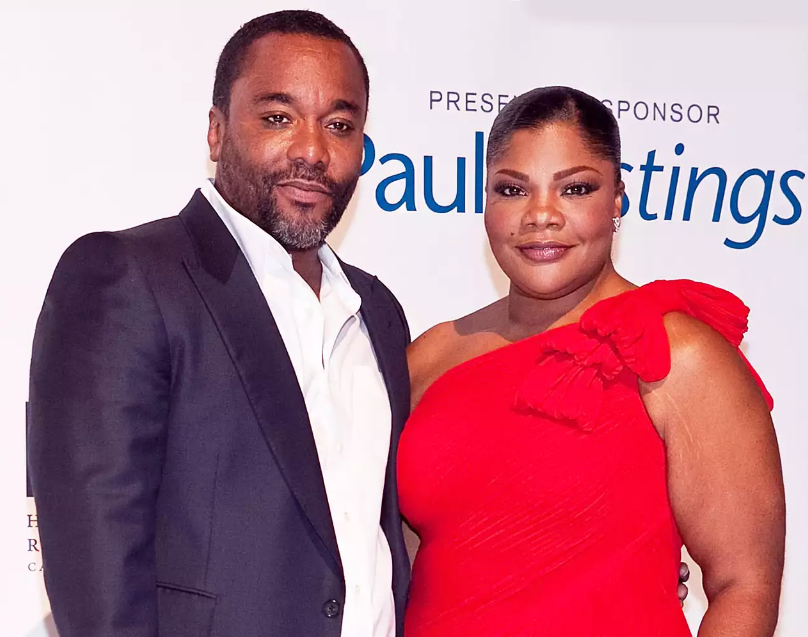
Photo Cred: People.com – Lee Daniels and Mo’Nique

Unless you have been living under a rock for the past several years, you have heard something about the disagreement between the Comedienne, Mo’Nique, Oprah Winfrey, Lee Daniels, and Tyler Perry. I am going to focus mostly on Lee Daniels, as he was the most vocal in impacting public perception of the actress/comedienne.

Mo’Nique starred in the 2009 film, Precious, alongside Gabourey Sidibe. I will not go into the details of the movie since the trailer is linked, but to make a long story short, Mo’Nique was paid $50,000 for the role. At the time, no one had any idea that Precious would turn out to be an epic success, eventually winning the star an Emmy. As the buzz spread around the world, Mo’Nique was asked to travel far and wide to promote the movie. None of these responsibilities were included in her original contract and Lee Daniels, the film’s Producer, neglected to offer any compensation for the change in the scope of her work.

The actress refused to do additional work that she was not being compensated for and was immediately labeled “hard to work with”, “bitter”, and “angry”. Eventually, these stereotypes placed on her led to her being blackballed from the film industry for the last twelve years. To add insult to injury, when Steve Harvey invited her on his show to discuss that matter, he chastised her about how she addressed the matter, belittled her, and minimized her complaints. Mo’Nique’s words fell on deaf ears as public opinion had been formed based on the misinformation primarily pushed by Lee Daniels. Mo’Nique had her career stripped away in the blink of an eye for demanding to be paid for the work she was expected to do. Her “attitude” and her mouth were blamed for the loss of her livelihood.

Most people would have crawled in a hole and wallowed in self-pity, but not Mo’Nique. Now she was truly angry. That’s the thing; Black women at work are often treated in a way that would logically make any human being upset. When we finally do get mad, the bias is confirmed and the narrative set. In 2020, Mo’Nique filed a discrimination lawsuit against Netflix. Mo’Nique had been offered $500,000 for a comedy special on the streaming platform, while her white counterpart, Amy Schumer had been offered $11 million. In addition, Chris Rock and Dave Chapelle had received $40 million and $60 million respectively for their own specials. Mo’Nique believed that she had been underpaid due to both her race and gender. Prior to filing the lawsuit, Mo’Nique attempted to renegotiate the deal and was denied the opportunity. The case is still pending with the last update in 2020; Netflix attempted to dismiss the case and was denied.

Fast forward to early 2022. Mo’Nique gained an unlikely ally in the rapper and TV producer, 50 Cent, who is currently on a high in Hollywood due to the success of his hit show, Power. 50 happened to see Mo’Nique’s stand-up show on Super Bowl weekend and was so impressed by her that he vowed to put her back on top and reconcile the fractured relationships with Lee Daniels, Tyler Perry and Oprah Winfrey.

Apparently, 50 Cent’s voice carries weight because after twelve long years, Lee Daniels showed up to her comedy show in Staten Island, New York to apologize. He admitted to blackballing Mo’Nique and corroborated her story. After over a decade of being called a liar and constantly victim-shamed, her experience had been validated. The negative words commonly associated with Black women that refuse to stay ‘in their place’ had disappeared. Mo’Nique had won. But in a show of absolute humility, she immediately accepted Lee’s apology and hugged him. I applaud her for that because I am not sure how many people would have been so receptive after what had happened to her. As a show of good faith, Lee cast Mo’Nique in his upcoming Netflix film, Demon House, giving her the first appearance there since she filed the lawsuit against them.

Mo’Nique was validated and celebrated. Watching her win back everything she had lost was emotional for me because I know so many Black women that never get that chance. Most end up rebuilding their confidence and personal brand over several years with no admission of wrongdoing from an employer and with no powerful ally willing to vouch for them publicly. This situation eventually worked out, but many of us are still giving Lee Daniels the side-eye. It’s a shame that it took another powerful man to finally get him to do the right thing. Because of that I have to question his authenticity, but there are a few lessons employers can take from this situation:

  • Pay employees for all the work they do – If the scope of a job changes, compensate your employees for the additional work they are doing. According to this Gallup poll, in 2018, 43% of employees believed they were overworked and underpaid. With the Great Resignation in full swing and many Gen Z and Millennial workers willing to jump ship if they are not appreciated, pay and equity are crucial in retaining good employees and maintaining the stability of your organization.
nationalparternship.org – Black Women & the Wage Gap
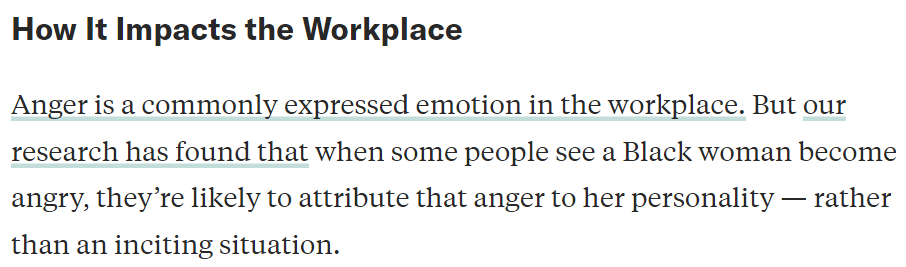
  • Believe Black women – More often than not Black women in the workplace are put in a position of being both the victim and the advocate when treated unfairly at work. At first, they report an incident or pattern of behavior. Next, they are disbelieved and forced to advocate for themselves. Eventually, they are labeled “angry” or “difficult” because they refused to back down. In this Harvard Business Review article, the following paragraph stands out for me:
Harvard Business Review
  • Do the right thing… Even when no one is watching – It should not take over a decade for an employer to admit they are wrong. In fact, covering up the mistreatment of an employee should never occur. On one hand, most employers get away with it on the surface. On the other hand, other employees are watching and taking notes on how you treat people that work for you. They are fully aware and will be much more prepared when it is their turn to address an issue. A testament to this is that over half of American workers do not trust their employers when reporting workplace issues. Treating everyone at your organization with respect and dignity allows space to work issues out confidentially, avoids legal proceedings and EEOC complaints, and most importantly, signal to others that you are truly a good person, even behind closed doors.
Forbes.com
  • Do not make assumptions – I can already hear some of you saying, “But all of the participants in this story are Black, so Mo’Nique couldn’t have been discriminated against.” I know it seems like a logical argument… if you are not familiar with internalized racism/oppression. To sum it up, those suffering from this affliction have a desire to distance themselves from their own race, so adapt the same stereotypes and racist practices as those of oppressors. They tend to view themselves as “one of the good ones” and have a strong desire to be accepted by the majority. The fact that two people are of the same race, gender, religion, sexual orientation, etc., does not make it impossible for one of them to discriminate against the other.

Like many other Black women watching, I am happy to see Mo’Nique finally getting the apology and opportunity she deserves. On the flip side, I am skeptical (but hopeful) about the authenticity of the reconciliation. In the end, I would love to see those in control of our livelihoods take heed and do much, much better than Lee Daniels did in relation to Mo’Nique.

NyRee Ausler

Want to read more articles like this? Subscribe below